Did You Know These Foods Cause Cavities?
September 20, 2026
When you think about foods that cause cavities, candy, cookies, soda, and other sugary treats probably come to mind first. And for good reason: Sugar provides fuel for the bacteria that produce acids capable of damaging your tooth enamel.
But some less-obvious foods and drinks can also contribute to tooth decay. That doesn’t mean you need to eliminate them from your diet! Instead, understanding which foods may pose a risk can help you make choices that protect your smile.
Dried Fruit
Dried fruit might seem like an especially healthy snack, but the drying process removes much of the fruit’s water while concentrating its natural sugars. Many dried fruits are also sticky, meaning they can cling to your teeth and remain there for longer than fresh fruit.
If you enjoy raisins, dried apricots, or other dried fruits, try eating them with a meal rather than snacking on them throughout the day. Rinsing your mouth with water afterward can also help remove lingering sugars.
Crackers and Chips
Crackers and chips aren’t necessarily sweet, but that doesn’t mean they’re harmless to your teeth. Starchy foods can break down into sugars as you chew them. Some crackers and chips can also become soft and sticky, allowing particles to settle into the grooves and spaces between your teeth.
You don’t have to give up your favorite crunchy snacks. Just remember to brush and clean between your teeth regularly to remove leftover particles.
Sports and Energy Drinks
Sports drinks and energy drinks can contain significant amounts of sugar, making them a potential contributor to tooth decay. Many are also acidic, which can weaken enamel and make your teeth more vulnerable to damage.
For everyday hydration, water is a much better choice for your teeth. If you do have a sports drink, avoid sipping it continuously over a long period.
Flavored Coffee Drinks
Your morning coffee may not seem like a cavity culprit, but flavored coffee beverages can contain added sugars and syrups. Some coffee drinks are essentially sweetened desserts in a cup!
If you enjoy a flavored coffee, consider choosing a lower-sugar option and drinking water afterward. Avoid slowly sipping a sugary beverage throughout the morning, since this keeps your teeth exposed to sugar for an extended period.
Pickles and Other Acidic Foods
Sugar isn’t the only thing worth considering when it comes to protecting your enamel. Acidic foods and drinks can contribute to enamel erosion, which may make teeth more vulnerable over time.
Pickles, citrus fruits, tomatoes, and certain fruit juices can be acidic. You don’t need to avoid nutritious foods such as fruits and vegetables, but rinsing with water afterward can help. It’s also generally betterto wait a little while before brushing after consuming something acidic.
Sweetened Yogurt
Yogurt can be a nutritious addition to your diet, but flavored varieties can contain quite a bit of added sugar. If you regularly eat sweetened yogurt, check the nutrition label and consider choosing plain yogurt with fresh fruit instead.
How Can You Protect Your Teeth?
You don’t need to fear every food on this list. Your overall diet and habits matter, and frequency of exposure is important. Try to enjoy potentially cavity-causing foods with meals rather than constantly snacking, drink plenty of water, and maintain a consistent brushing and flossing routine.
Regular dental visits can also help identify early signs of tooth decay before they become bigger problems. Knowing which foods can affect your teeth makes it easier to enjoy them thoughtfully while keeping your smile healthy.
About the Practice
Bear Creek Family Dentistry provides comprehensive dental care for patients and families, with an emphasis on preventive care and maintaining long-term oral health. The practice offers preventive dentistry services to help patients protect their teeth, identify potential problems early, and maintain healthy smiles.
Call us at (214) 381-3800 or schedule your appointment online
How Asthma Impacts Oral Health
September 15, 2026

Asthma primarily affects your airways, so you might not immediately associate it with your teeth and gums. However, people with asthma may have some additional oral health considerations. Certain asthma symptoms, medications, and breathing habits can create conditions that make problems such as dry mouth, cavities, and gum disease more likely.
Having asthma doesn’t mean you’re destined to develop dental problems. It simply means that paying a little extra attention to your oral health can be especially worthwhile.
(more…)The Link Between Chronic Stress & Your Oral Health
September 10, 2026
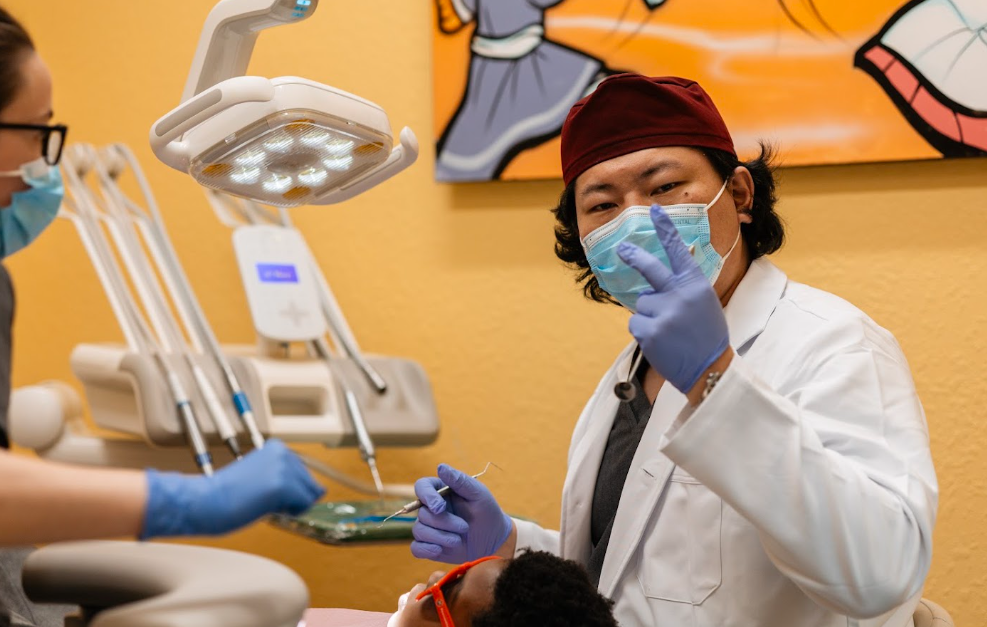
Stress is a normal part of life. A busy workweek, a major deadline, or a particularly hectic season can leave almost anyone feeling overwhelmed. But when stress becomes chronic, your body can start to feel the effects in ways you might not expect—including in your mouth.
Long-term stress can contribute to habits and physical changes that affect your teeth and gums. The good news is that recognizing these connections can help you take steps to protect your smile while taking better care of yourself.
(more…)The Bad Breath Fighting Power of Yogurt
September 6, 2026
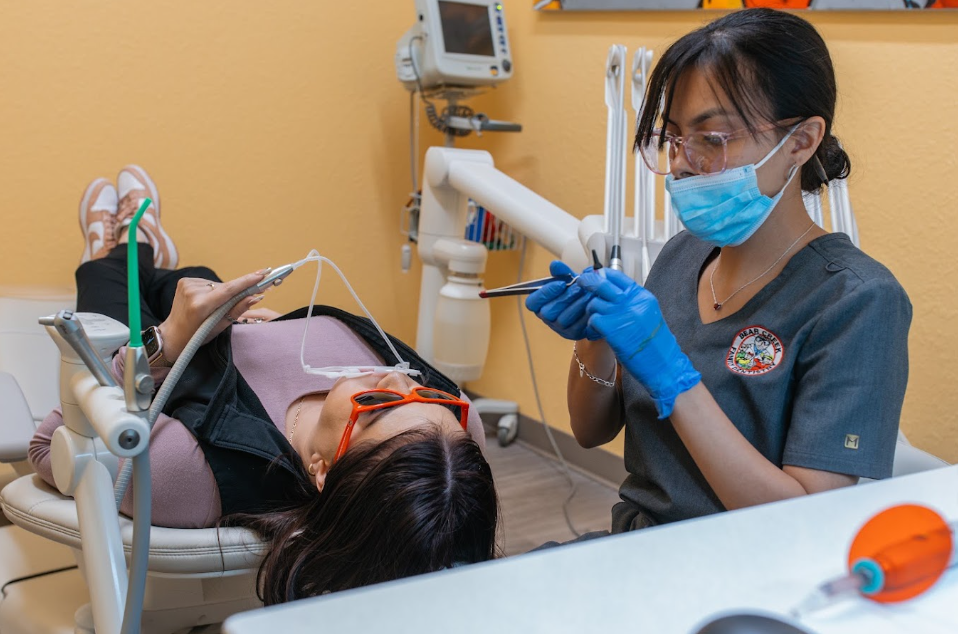
Bad breath can be an awkward problem, especially when you’re not sure what’s causing it. You might reach for mints, mouthwash, or gum to cover the smell, but these solutions don’t always address what’s happening in your mouth.
Here’s a surprising addition you may want to consider: yogurt. Certain types of yogurt contain probiotics and other properties that may help support a healthier oral environment and reduce some of the bacteria associated with bad breath.
Of course, yogurt isn’t a substitute for good oral hygiene or professional dental care. But as part of a balanced diet, it may be a helpful addition to your routine.
(more…)Why Is Fluoride Actually in Drinking Water?
August 22, 2026
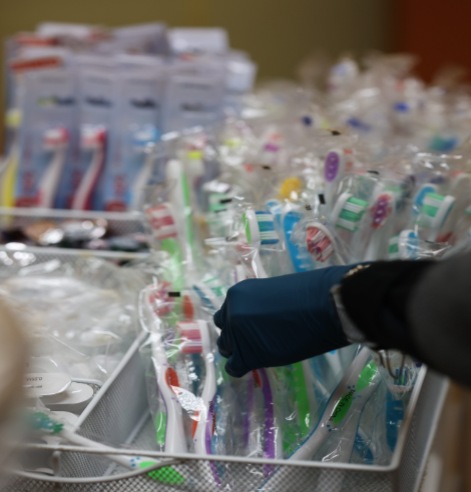
Have you ever wondered why fluoride is added to some community drinking water? If you’ve heard concerns about fluoride, you may be surprised to learn that water fluoridation is actually one of the most effective tools for preventing tooth decay. At recommended levels, fluoride gives your teeth an extra layer of protection every time you take a sip.
(more…)Good Oral Health Sets Your Child Up for Academic Success
August 15, 2026

Back-to-school preparation usually means shopping for school supplies, adjusting bedtime routines, and making sure backpacks are ready for the first day. But there’s another important item parents may want to add to their checklist: a dental visit.
Good oral health does more than help your child maintain a healthy smile. Research has found an association between children’s oral health and their school performance, attendance, and overall well-being. Starting the school year with a dental checkup can help address potential problems before they have a chance to interfere with your child’s classroom experience.
(more…)Study Up on These Back-to-School Safety Tips to Prevent Dental Emergencies
August 12, 2026

Back-to-school season means new teachers, new routines, fresh school supplies—and plenty of excitement. While you’re checking off your child’s school-supply list, don’t forget to think about their smile, too. From playground falls to sports injuries, kids can encounter plenty of situations that put their teeth at risk. A little preparation can go a long way toward preventing a painful dental emergency.
(more…)Ask These Questions at Your Next Dental Checkup
August 5, 2026
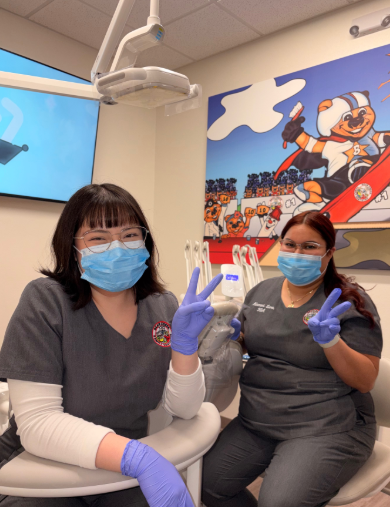
When you think about a dental checkup, you probably picture your dentist asking you plenty of questions: Are you flossing? Have you noticed any sensitivity? Are you experiencing pain? But your appointment shouldn’t be a one-way conversation. Your dental team is there to answer your questions, too!
Asking the right questions can help you better understand your oral health, catch potential problems early, and feel more confident about your daily dental routine. Here are a few questions worth bringing to your next checkup.
(more…)Tired of Replacing Your Restorations? Dental Implants Can Help!
July 30, 2026
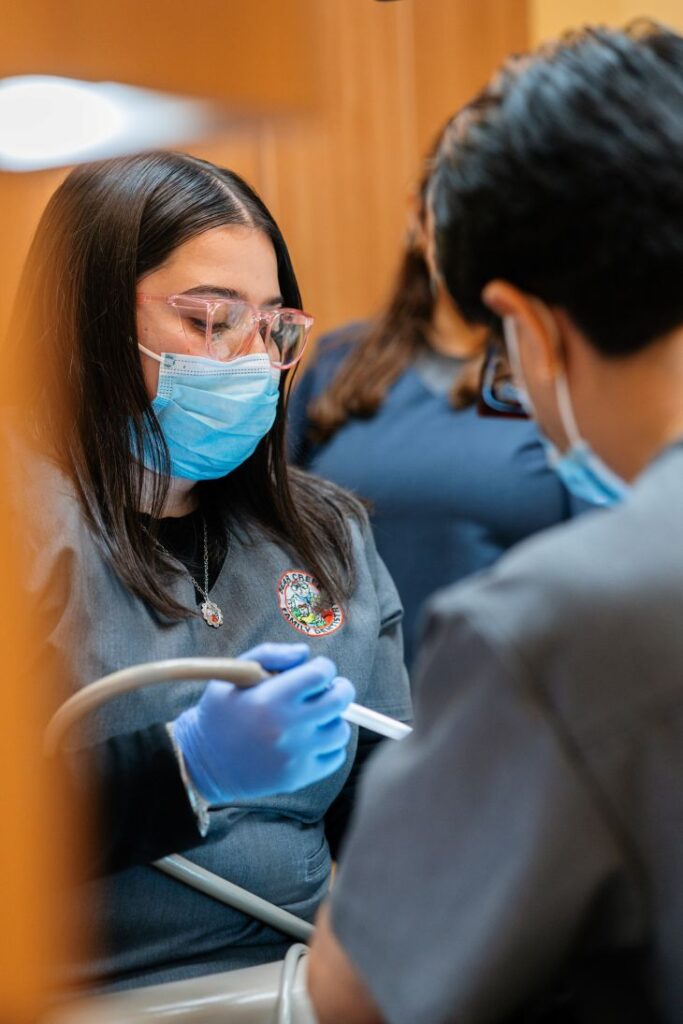
Replacing missing teeth even just one time can be a long yet rewarding process. But although the anticipation of a complete smile can help speed things up initially, having to repeat the process every five to seven years like you would with dental bridges or dentures can be a little tiresome – and that’s if you don’t need any interim relining or repairs! If you’re tired of dealing with the hassle of having to regularly upgrade your restorations, it’s time to consider durable, long-lasting dental implants. Not only are they incredibly lifelike, but they’re also permanent, and with proper care could even last you a lifetime!
(more…)3 Big Reasons to Replace Your Metal Fillings
July 23, 2026

Metallic restorations do have their merits, as dentists once offered them for years and years. They can keep cavities from worsening, protect teeth from infections, etc. Even so, you should ultimately replace your metal fillings soon; you’re better off with tooth-colored versions. Your DFW dentist will even show evidence for this claim, proving you should make the switch. To that end, read on to learn three big reasons to replace your metal fillings quickly.
(more…)