Ask These Questions at Your Next Dental Checkup
August 5, 2026
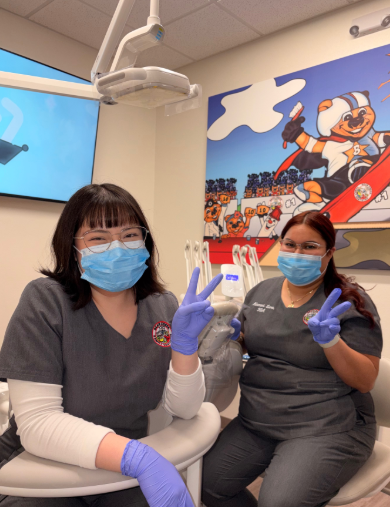
When you think about a dental checkup, you probably picture your dentist asking you plenty of questions: Are you flossing? Have you noticed any sensitivity? Are you experiencing pain? But your appointment shouldn’t be a one-way conversation. Your dental team is there to answer your questions, too!
Asking the right questions can help you better understand your oral health, catch potential problems early, and feel more confident about your daily dental routine. Here are a few questions worth bringing to your next checkup.
How Healthy Are My Teeth and Gums?
Start with the big picture. Ask your dentist how your teeth and gums are doing overall and whether they see any areas that need attention. Even when your smile feels perfectly healthy, a dental exam can reveal early signs of problems that aren’t yet causing noticeable symptoms.
Your dentist can also explain whether you have any areas of concern, such as early decay, gum inflammation, enamel wear, or other changes worth monitoring.
Am I Brushing and Flossing Correctly?
You may have been brushing and flossing for years, but that doesn’t necessarily mean your technique couldn’t use a little improvement. Ask your dentist or hygienist to take a look at your routine and recommend any changes.
They may suggest a different brushing technique, demonstrate how to clean between certain teeth, or recommend tools that make it easier to keep your mouth clean. Small adjustments can make your daily routine more effective.
Am I at Risk for Cavities or Gum Disease?
Not everyone’s risk for dental problems is the same. Your diet, oral hygiene habits, genetics, previous dental history, and certain health factors can all influence your risk.
Ask your dentist whether there are specific concerns you should watch for. Understanding your personal risk can help you take preventive steps before a small problem becomes a more complicated one.
Do I Need Any Preventive Treatments?
Prevention is one of the most important parts of maintaining a healthy smile. Depending on your needs, your dentist may recommend treatments such as fluoride applications or dental sealants to provide additional protection against decay.
Don’t be afraid to ask why a preventive treatment is being recommended and how it can benefit your particular smile. Preventive care is about addressing potential problems before they require more extensive treatment.
Should I Be Concerned About Any Symptoms?
If you’ve noticed bleeding gums, tooth sensitivity, persistent bad breath, jaw discomfort, or a change in one of your teeth, mention it—even if the symptom seems minor. Your dentist can help determine whether it’s something that needs treatment or simply something to keep an eye on.
This is also a great time to ask about anything you’ve been wondering about but haven’t gotten around to mentioning. No question is too small when it comes to your oral health.
What Can I Do Better Between Appointments?
Finally, ask your dentist for one or two personalized recommendations. Maybe there’s a particular area you’re missing when you brush, a habit that’s affecting your teeth, or a product that could make your routine easier.
Your dentist knows your smile and can give you advice that’s more useful than generic recommendations. And remember, regular checkups aren’t just opportunities to have your teeth examined—they’re opportunities to learn how to care for them better.
A few thoughtful questions can turn your next checkup into an even more valuable part of your preventive dental care.
About the Practice
Bear Creek Family Dentistry provides preventive and comprehensive dental care designed to help patients maintain healthy smiles at every stage of life. The practice emphasizes preventive dentistry and personalized care, helping patients and families take proactive steps to avoid cavities and other common dental problems.
Call us at (888) 676–2327 or schedule your appointment online.
No Comments
No comments yet.
RSS feed for comments on this post.
Sorry, the comment form is closed at this time.