Help! Do Teeth Cleanings Hurt?
May 20, 2026
If it’s been a while since your last dental visit, you’re definitely not alone in wondering what a teeth cleaning will feel like. Many people feel a little nervous about the idea of discomfort, especially if they’ve had sensitive gums in the past or haven’t been to the dentist in some time.
The reassuring news is that most routine dental cleanings are not painful. In fact, your dental team will always work to keep you as comfortable as possible throughout your visit. And if you do experience sensitivity, there are several ways to make the process easier and more manageable.
What Happens During a Teeth Cleaning?
A professional dental cleaning, also called prophylaxis, involves removing plaque and tartar buildup from your teeth and along the gumline. Even with excellent brushing and flossing at home, some hardened buildup can only be removed with specialized dental instruments.
After cleaning, your teeth are usually polished and flossed to help remove surface stains and leave your mouth feeling fresh and smooth.
For most patients, this process feels more like pressure or light scraping rather than pain.
Why Some People Feel Discomfort
While cleanings are typically comfortable, some patients may experience mild sensitivity. This is more common if:
- It has been a long time since your last cleaning
- There is significant plaque or tartar buildup
- Your gums are inflamed or bleeding (a sign of gingivitis)
- You already have sensitive teeth or gum recession
When gums are not used to regular cleaning, they may feel tender during the process. The good news is that this often improves as your oral health becomes more consistent over time.
How Your Dental Team Helps Keep You Comfortable
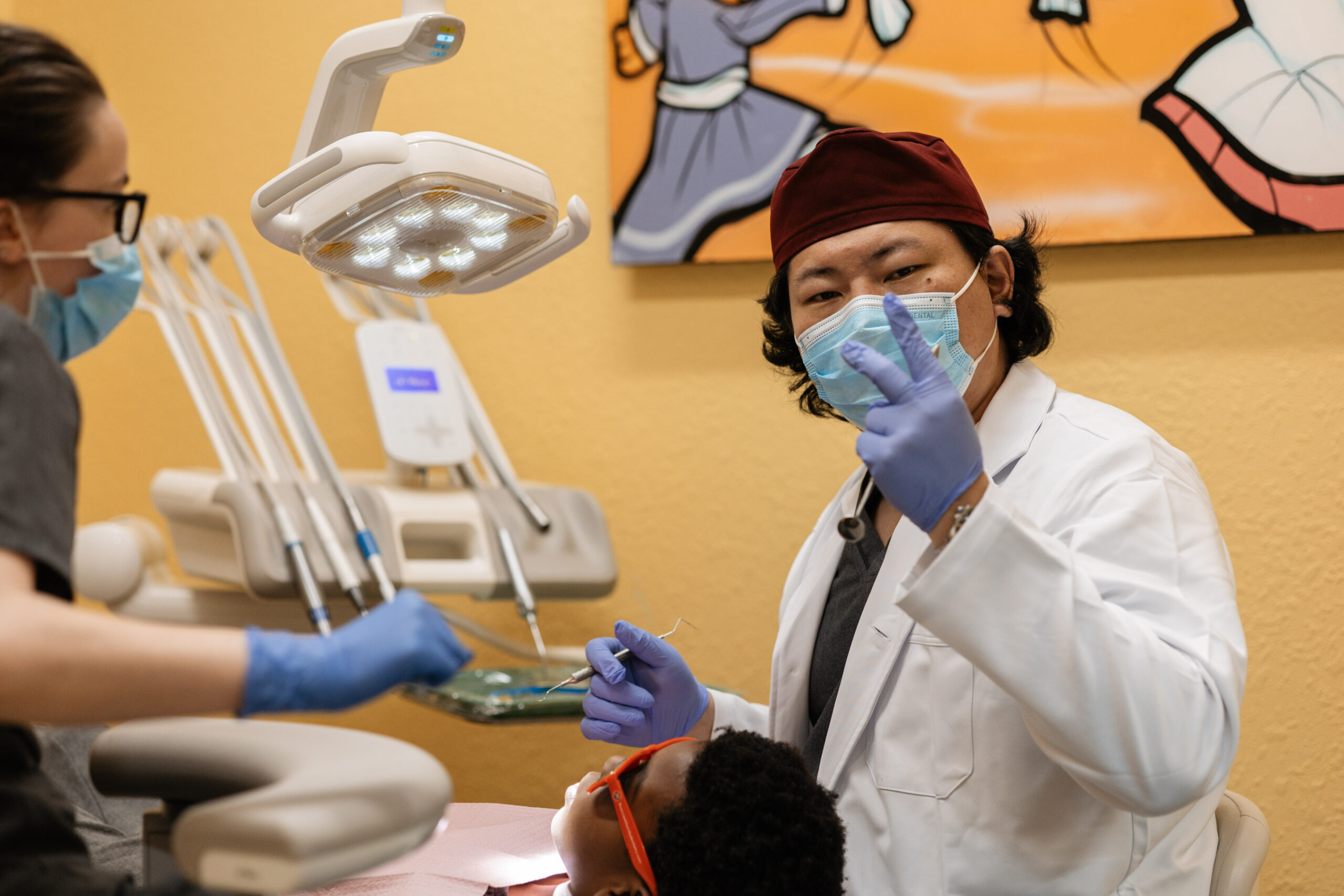
Modern dental offices are very focused on patient comfort. Your dental hygienist will typically work in small sections, take breaks if needed, and adjust techniques based on your sensitivity level.
If you are anxious or concerned about discomfort, let your dental team know ahead of time. They can modify the cleaning approach or use gentler tools to help reduce sensitivity.
Tips to Reduce Discomfort During Cleanings
There are also a few things you can do to make your cleaning experience more comfortable:
- Keep up with regular brushing and flossing at home
- Avoid scheduling cleanings too far apart
- Use a toothpaste designed for sensitive teeth
- Communicate openly with your hygienist during the visit
The better your gums and teeth are maintained between visits, the more comfortable cleanings tend to be.
When Dental Sedation Can Help
For patients with significant dental anxiety or heightened sensitivity, sedation dentistry can make a big difference. Some dental practices offer sedation options that help patients feel more relaxed during cleanings and other procedures.
Depending on the level of anxiety or treatment needs, sedation may range from mild relaxation methods to deeper calming options provided under professional supervision. This can be especially helpful for patients who have avoided dental care due to fear or discomfort in the past.
If sedation is available at your dental office, your dentist can help determine whether it’s a good option for your needs.
Why Regular Cleanings Matter
Even if you’re nervous about discomfort, regular dental cleanings are one of the most important steps in maintaining long-term oral health. They help prevent cavities, gum disease, bad breath, and more serious dental issues down the road.
Most importantly, routine visits help ensure that small problems are caught early—before they become more complex or uncomfortable to treat.
With consistent care, most patients find that cleanings become quicker, easier, and far more comfortable over time.
About the Practice
Bear Creek Family Dentistry provides comprehensive preventive and restorative dental care in a welcoming, patient-focused environment. Led by a dynamic team of dentists, he practice offers routine cleanings, exams, and sedation dentistry options designed to help patients feel relaxed and comfortable while maintaining long-term oral health.
Call us at (214) 381–3800 or schedule your appointment online.
No Comments
No comments yet.
RSS feed for comments on this post.
Sorry, the comment form is closed at this time.